
Carrying the roots of who we are.
Not every story begins with a spotlight. Ours began as a feeling, a quiet question that lingered in everyday moments: what if we could build a home for our language, our culture and our people, right here in the United Kingdom?
A whisper that refused to fade.
Almost ten years ago, our founder found himself haunted by a question: how do we expect our children to truly know who they are if we let go of the language that cradles our soul? A community survey in Kingston upon Thames in 2014 confirmed it was not his alone. Parents said it was needed, elders gave their blessing, friends cheered it on.
The first meeting drew just two families. Disappointing, but not the end. The dream was tucked away and carried forward until, on 12 July 2016, twenty children arrived at St Pius X Church Hall in Norbiton for a taster class built for ten. What began as a whisper had found a name, a community and a heartbeat.
“The Centre was never driven by grand budgets or elaborate strategies. It was built through human connection — through trust, through countless acts of kindness that often went unseen.”
A decade, in moments.
Living in Kingston upon Thames, our founder asks a community survey a simple question: was the ache to preserve our roots his alone, or shared? The response is overwhelming.
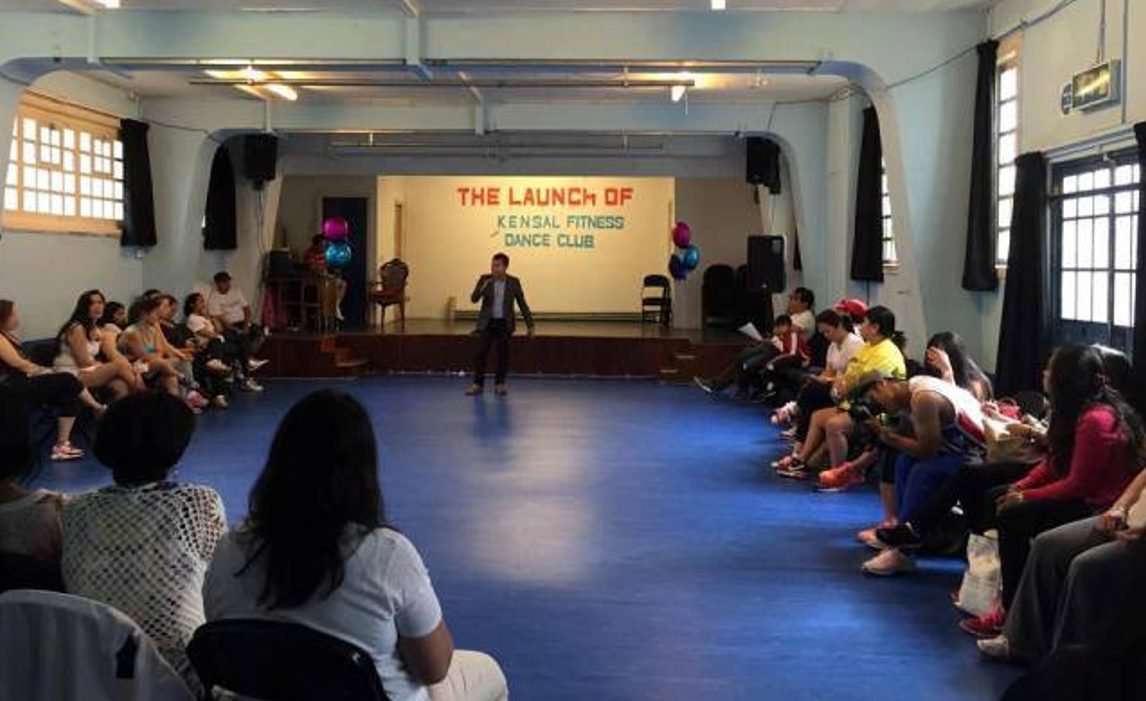
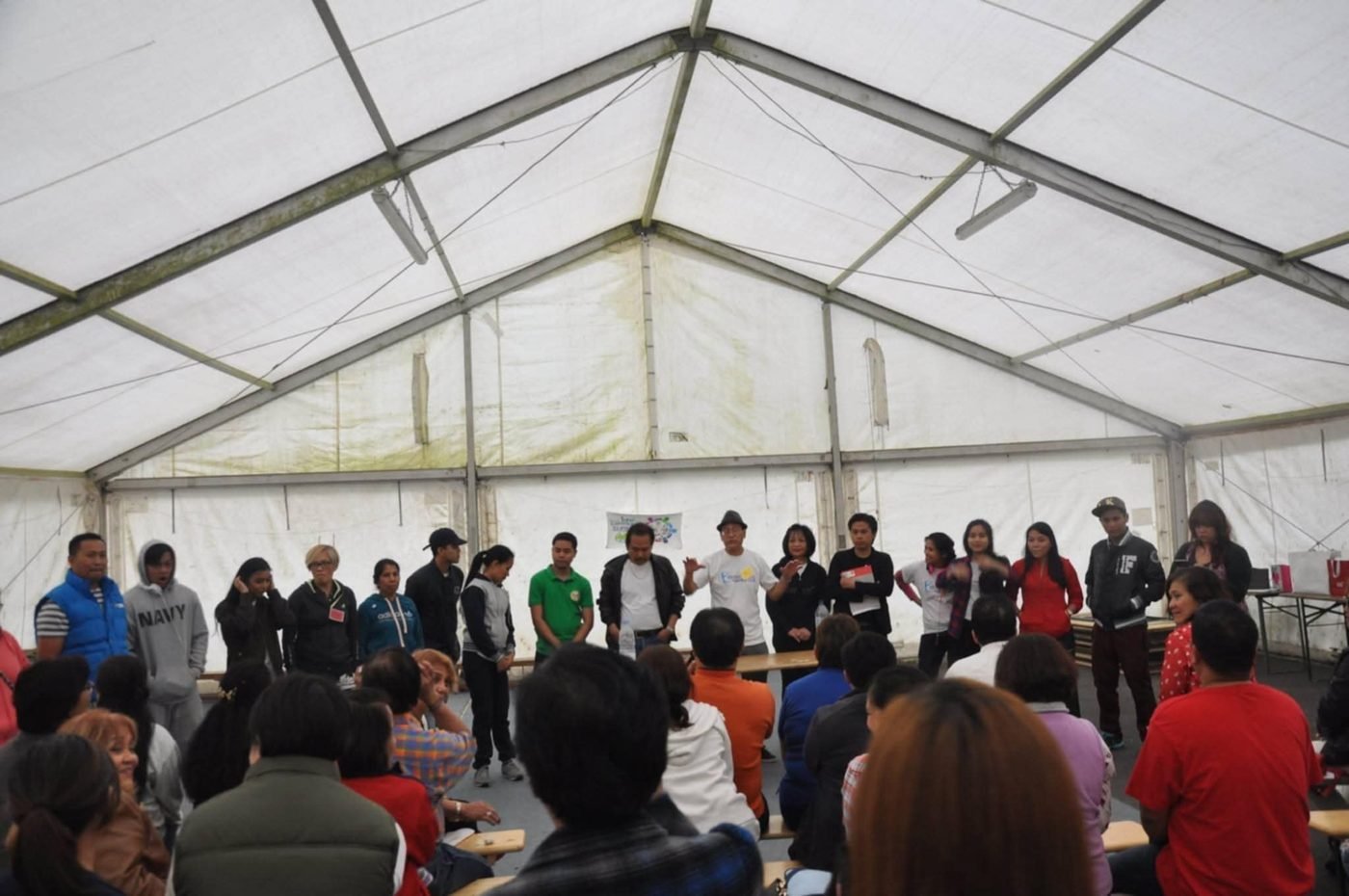
An unexpected springboard: Zumba and Latin dance classes at Kensal House bring seven kindred spirits together, and thirteen Filipino community organisations meet at an Inter-Community Summer Camp in East Grinstead.
At St Pius X Church, Norbiton, we hope for ten children. Twenty arrive. It is the first time the dream has a room, a name and a heartbeat.
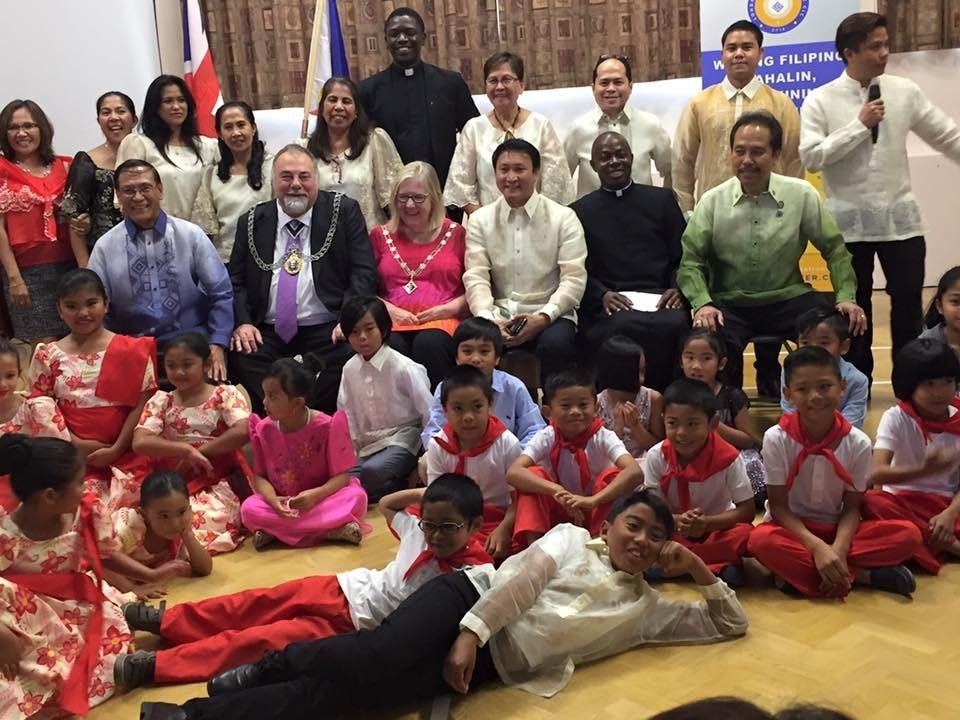
Officially registered and publicly launched in New Malden, with the Lord Mayor of Kingston upon Thames and the Philippine Embassy among our guests. Regular children's classes follow at Kingston University.
Beginners classes open at St John's Church, Notting Hill Gate, alongside the Centre's first Embassy-led celebration of Buwan ng Wikang Pambansa.
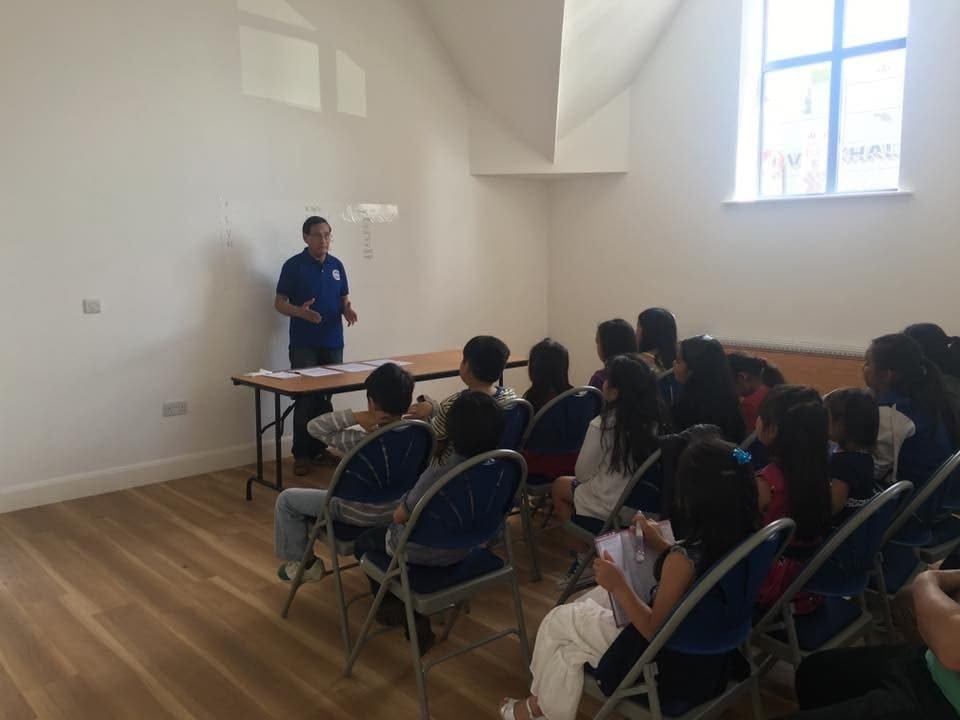
The ancient Philippine script returns to daily life through a dedicated course, as children's classes also open at Kensal House, Ladbroke Grove, and programmes reach Gloucestershire and Birmingham.
The pandemic empties our rooms but not our resolve. Learners across the UK log on from kitchen tables and living rooms, and the language stays alive.
National recognition from the Philippine government for a decade of advocacy in language, culture and community, built by volunteers, not by budget.
Baybayin workshops travel to Imperial College, UCL, Sheffield, Manchester and CelebrAsia, carried by advocates who take the script far past London.
The Centre marks its tenth anniversary and publishes Carrying the Roots, a record of the community that built it.
A defining recognition.
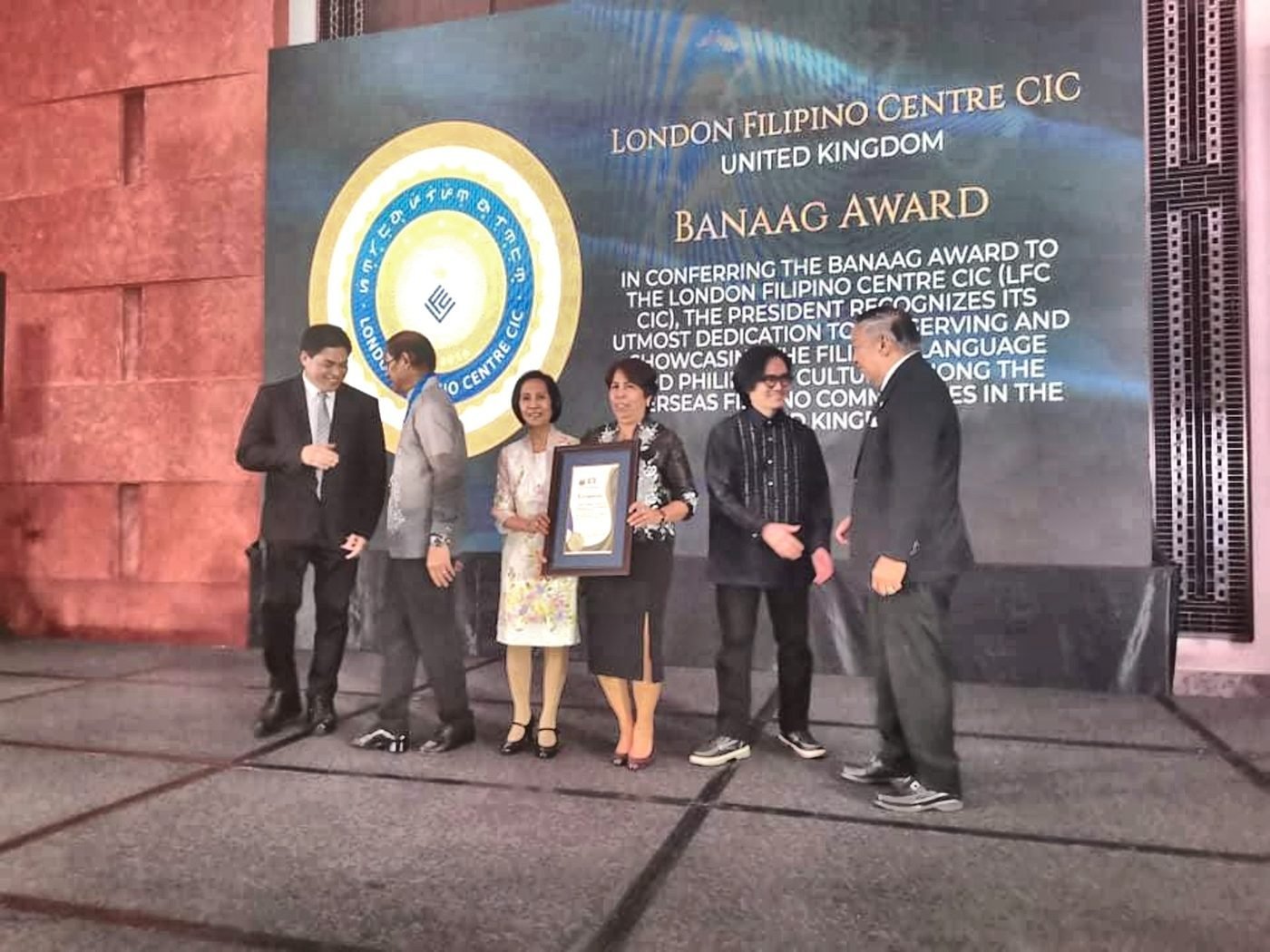
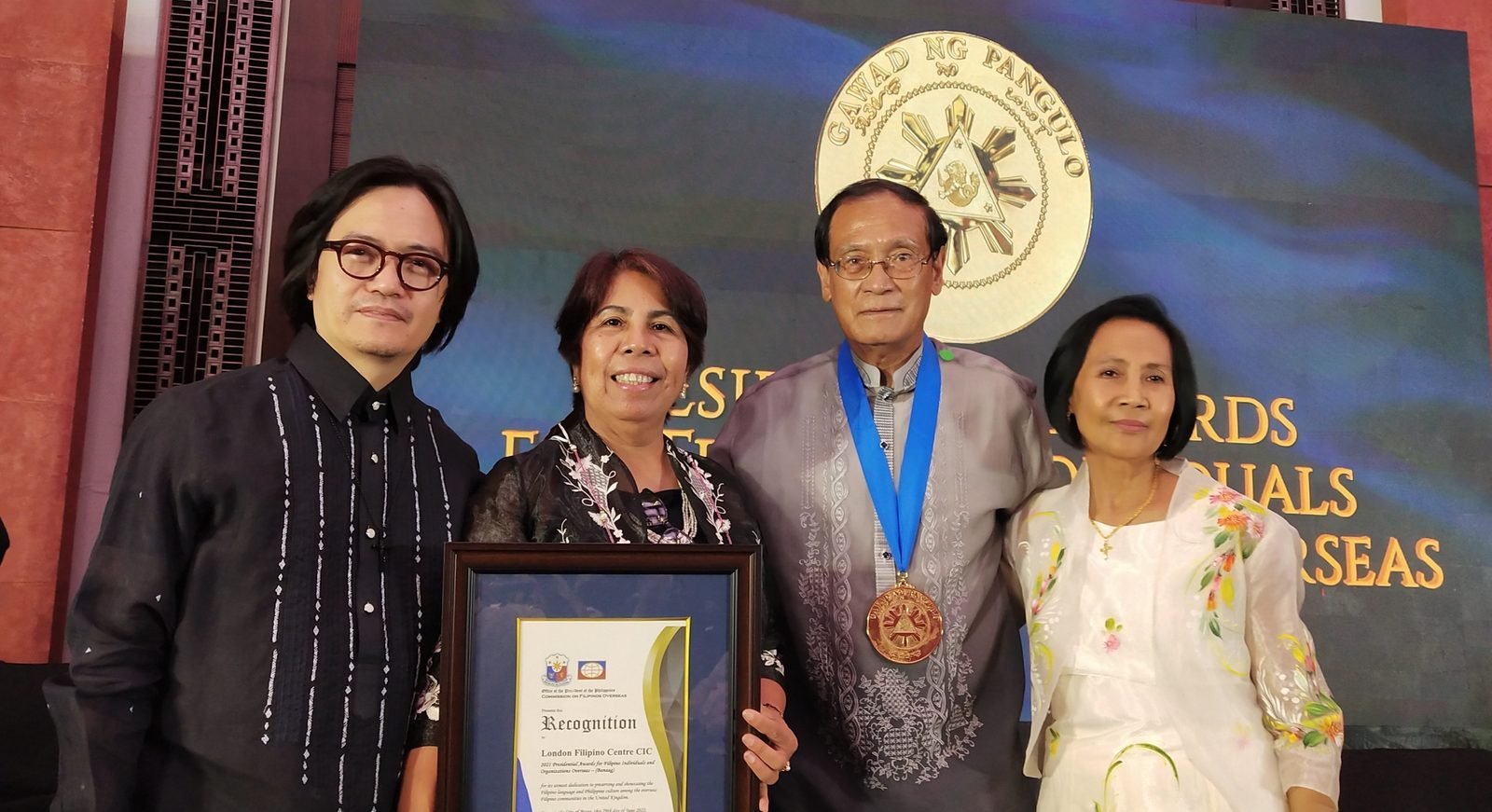
The Presidential Banaag Award, conferred by the Commission on Filipinos Overseas, recognised London Filipino Centre CIC's dedication to preserving and showcasing Filipino language and Philippine culture among overseas Filipino communities in the United Kingdom.
Selected for the 2021 Presidential Awards, the honour was received on 29 June 2022 at the Marriott Hotel, Pasay City, presented by Justice Francisco P. Acosta (Ret.), CFO Secretary and Chairperson. It recognised not experts or celebrities, but parents, students, teachers and volunteers who simply cared enough to show up, week after week.
“The award did not signal an end. It renewed our responsibility.”
The values that shape us.
The quiet acts of showing up — setting tables, slicing fruit, giving a Saturday — that hold the Centre together when resources are scarce.
Taught not as an abstract rule but as a gesture: the bow of the head for “Mano po, Lola,” the warmth of being called Kuya or Ate.
The ease of belonging to a group that shares food, laughter and the work of remembering together.
A recognition that what we have been given — language, culture, community — is worth passing on.
Built by many hands.
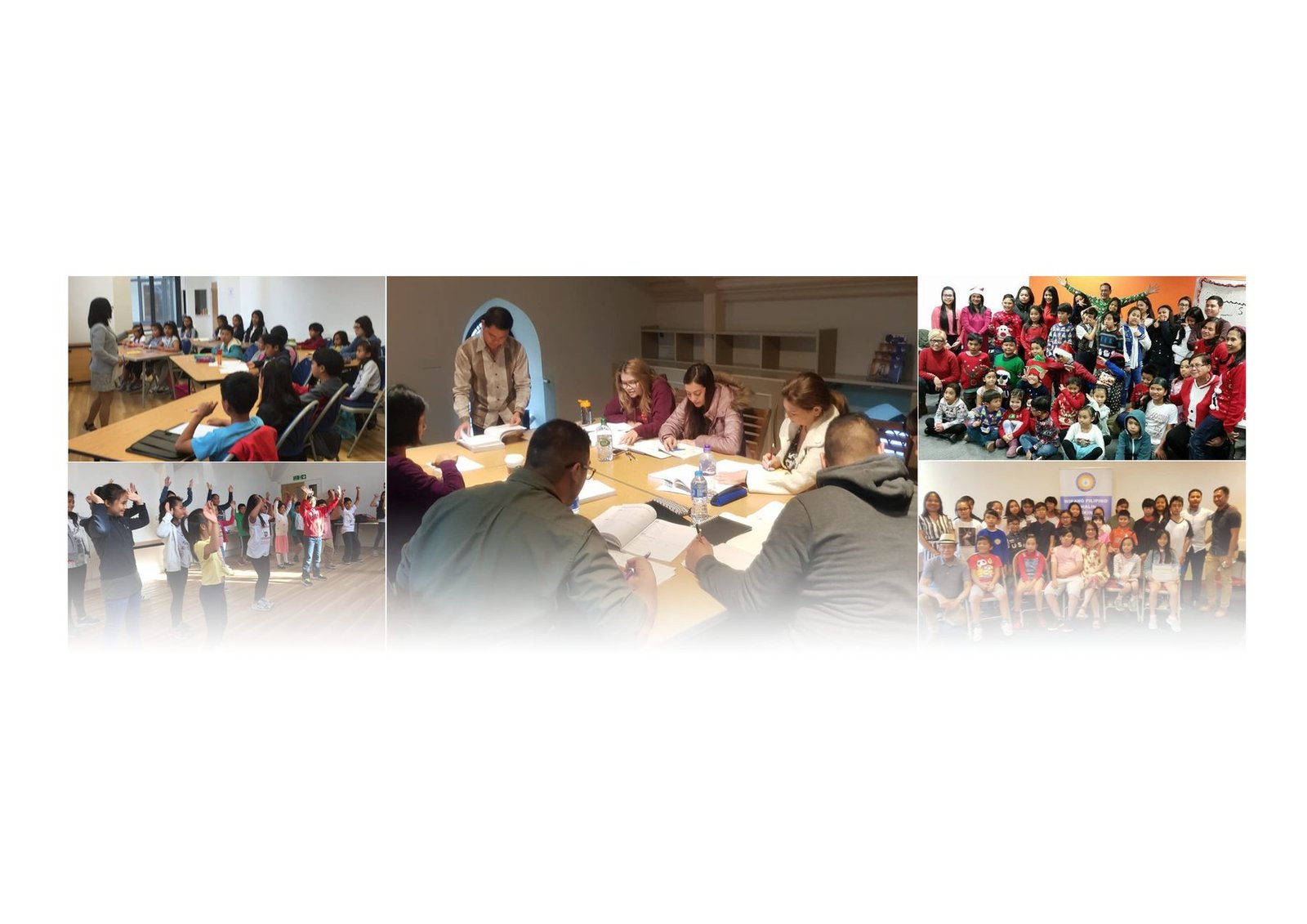
The Centre was never one person's work. It grew through Araial Ilustre's first suggestion to survey the community; Junart Kim Nieva's years at the front of the classroom; John NL Leyson's tireless advocacy for Baybayin; and the steadiness of Elizabeth Villaflor, Jessiebel Blancada Legaspi, Adelina Dueñas, Marivic Castroverde and every parent, teacher and volunteer who gave a Saturday, a skill or a quiet act of care.
In 2026, for the tenth anniversary, that story was gathered into a book: Carrying the Roots. This Centre, and that book, belong to all of them.
“The London Filipino Centre was never about one person. It was always about us.”